TRAVEL AT EASE
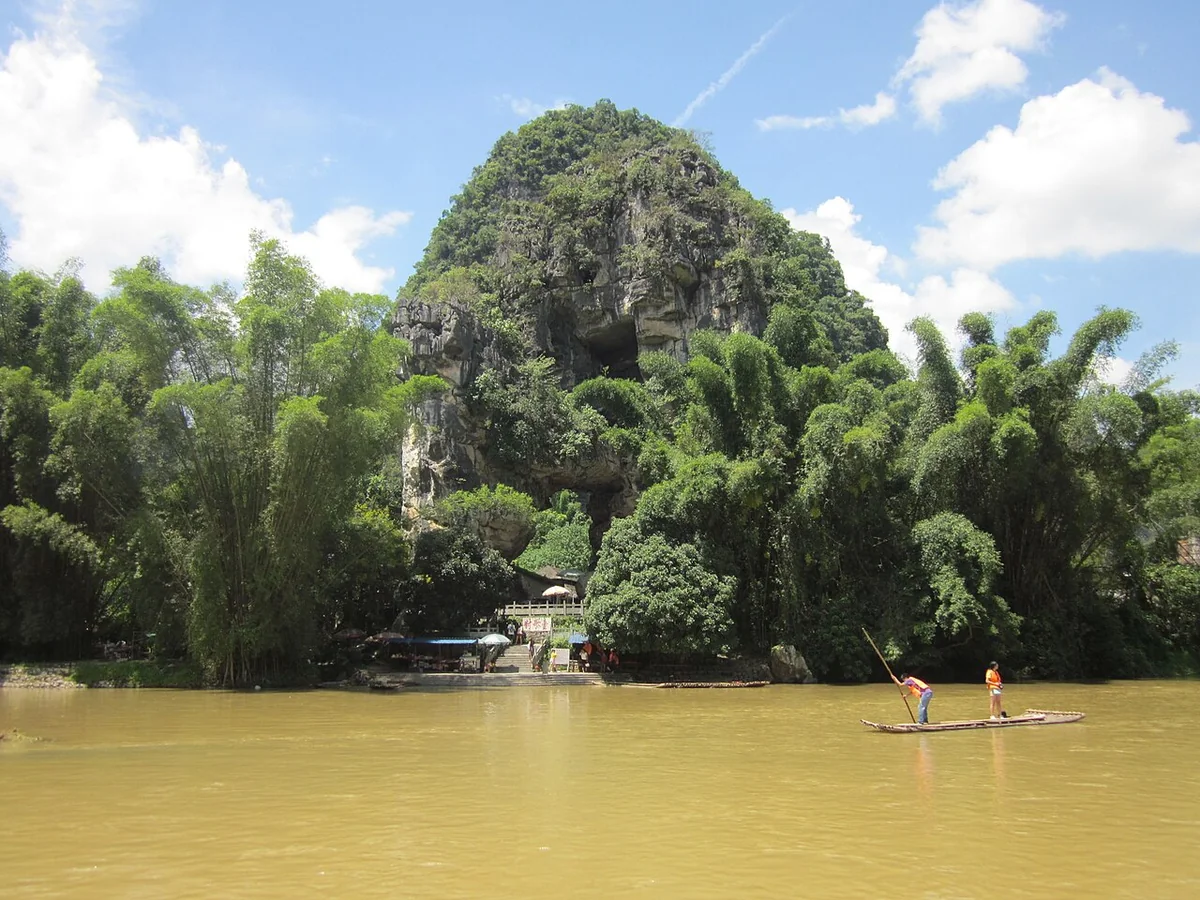
You may know Guilin from photographs. It still rewards looking for yourself. A river stretches a mountain silhouette into a reflection, then a bend opens another view. Instead of chasing the most familiar postcard, notice what changing light does to the same hill.
A shape made by time
Guilin’s karst landscape has developed through the dissolution of limestone and long-term landscape change. Its towers and clustered hills have a different geological story from Zhangjiajie’s sandstone pillars. That distinction adds depth to the view.
There is no need to turn a visit into an examination. Begin by noticing the spaces between hills and how their bases meet the plain.
Let the water change your viewpoint
There is more than one composition along the Li River. Bankside trees, activity on the water and successive hills change their relationship as you move. In still water, look for reflection. In a breeze, look for broken light.
Pause at an accessible riverside place or learn about authorised ways to explore on the water. Check actual operations, safety information and water conditions before choosing a water-based experience.
Local craft in a bowl of rice noodles
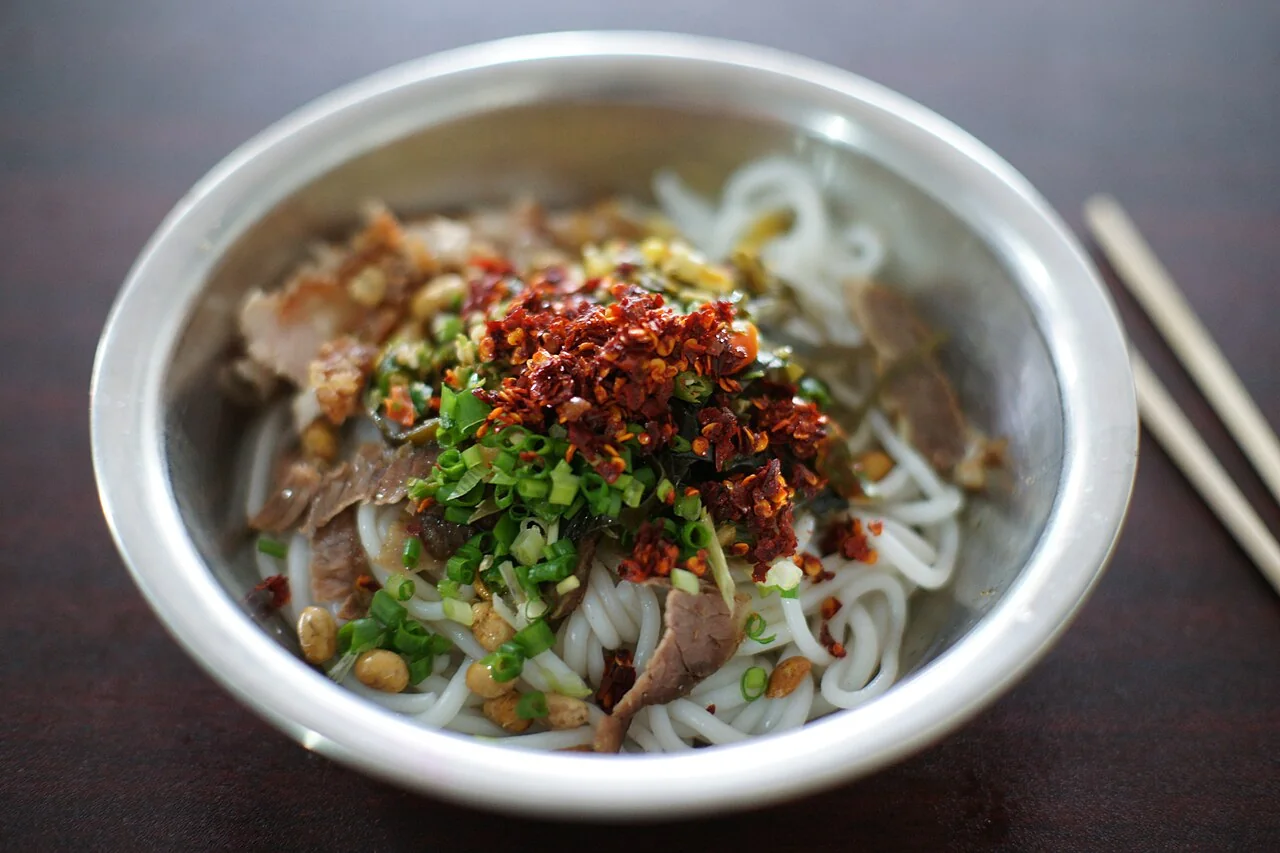
Guilin rice-noodle making entered China’s national intangible heritage list in 2021. Fresh noodles, seasoned sauce, accompaniments and final assembly each involve their own craft. Rice becomes noodles; the sauce brings layers of spice; the toppings add another texture. A quickly served bowl has several kinds of work behind it.
Recipes and accompaniments vary between kitchens. Look at the noodles, then taste how the sauce and toppings meet. The tradition continues through apprenticeships and newer training programmes. An ordinary noodle shop offers another way to know Guilin through its everyday food.
A local taste: rice noodles and the craft of the sauce
Guilin rice-noodle making is listed as a national intangible cultural heritage practice. Noodles, seasoned sauce and toppings offer a small window into local food. Taste first, adjust to your preference, and ask how this particular bowl is prepared.
One small thing to notice
Look at a nearby hill, then at a second and third layer beyond it. How do distance and air change their colours? This is where the depth of the view begins.
A landscape belongs to more than its photographs. It rewards the time you give it.
Sources and photography
Huangdan2060 / Wikimedia Commons · Photo source · CC0 1.0
Popo le Chien / Wikimedia Commons · CC0 1.0 · resized, WebP · Photo source · CC0 1.0