TRAVEL AT EASE
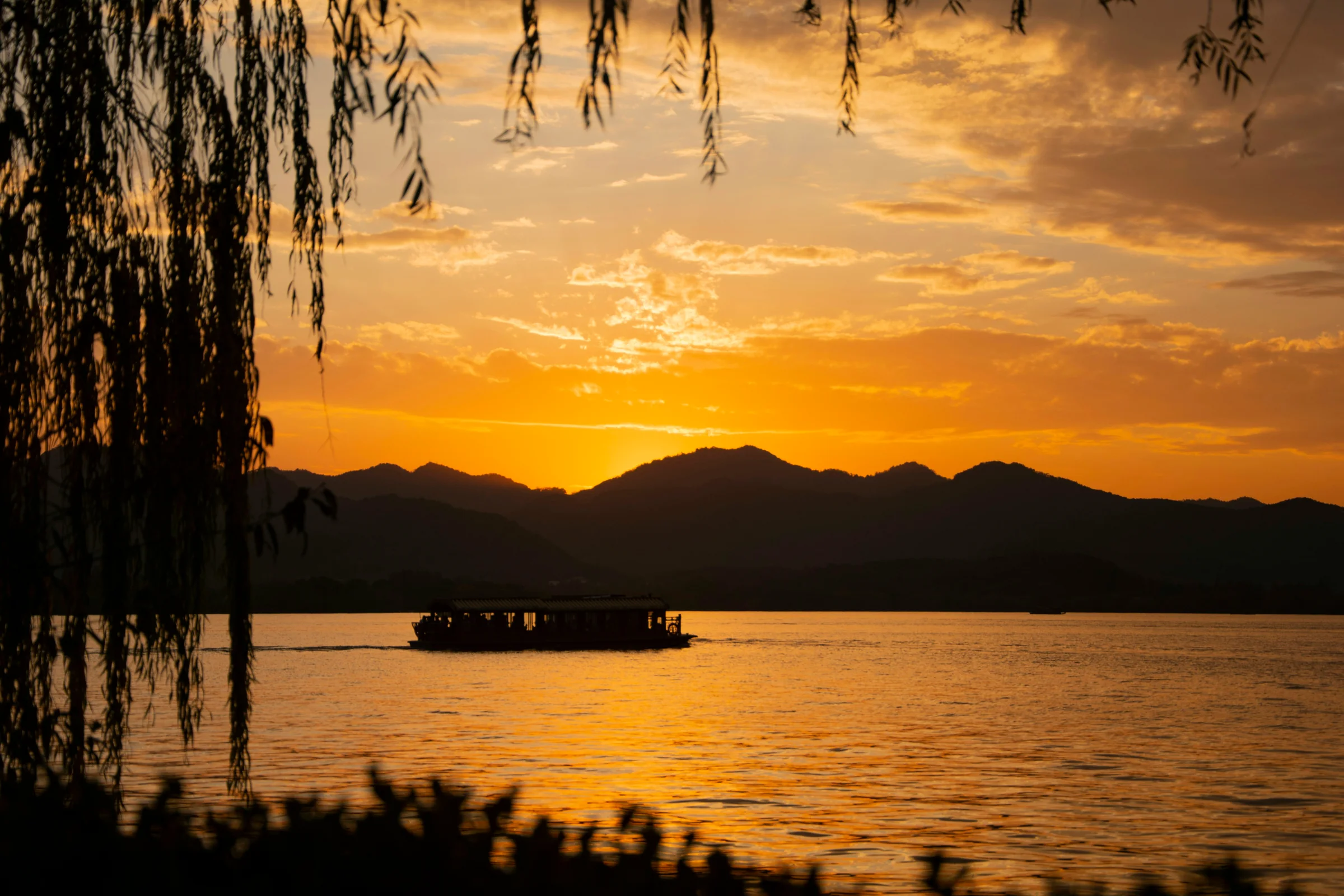
Hangzhou invites a pause. Open water gives the view room to breathe; a causeway brings the hills closer. In the tea-growing area west of the lake, that broad landscape becomes something you can hold in your hands.
A lake shaped by the act of looking
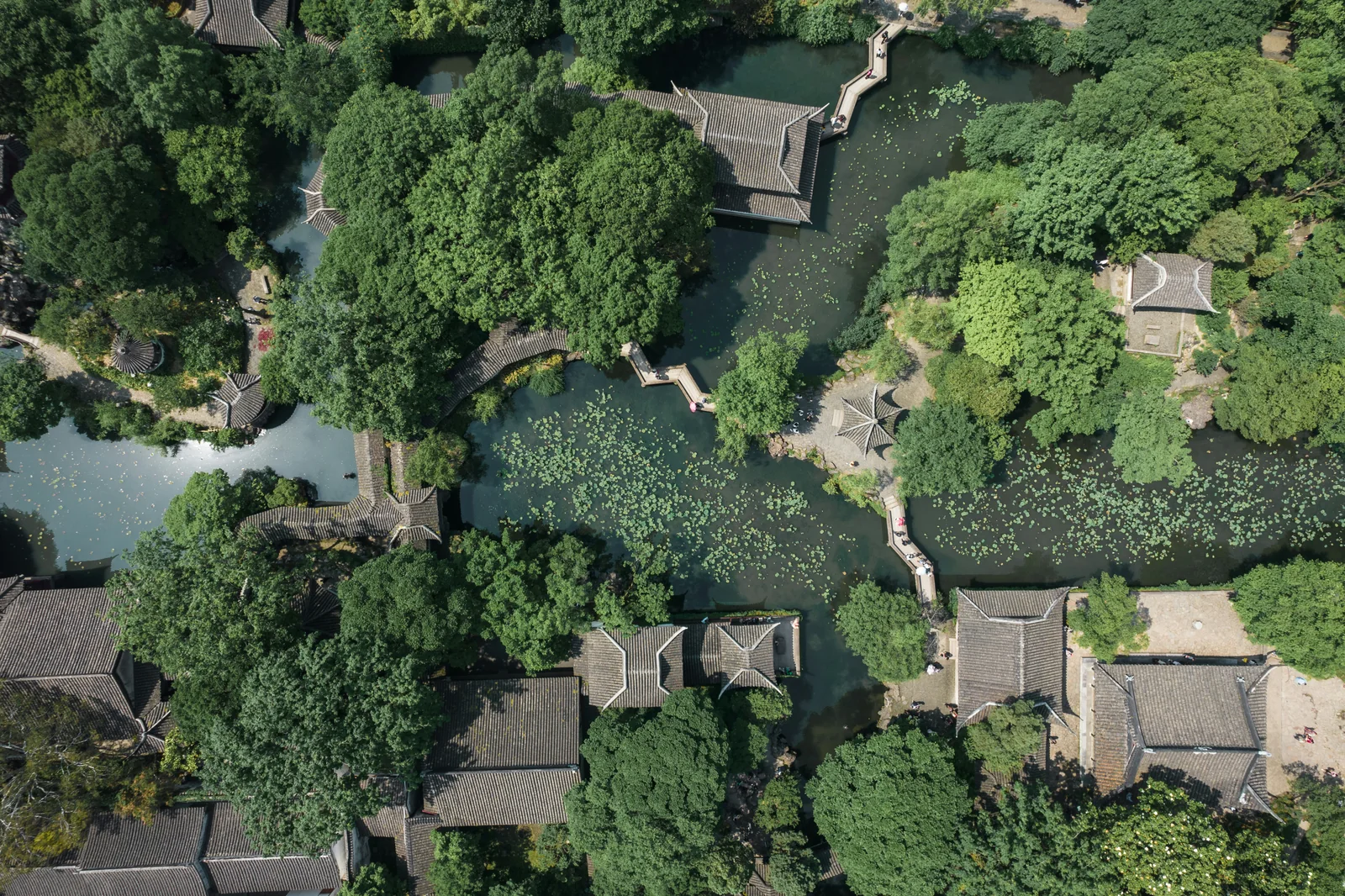
West Lake is a cultural landscape, combining natural surroundings with centuries of landscape-making. Causeways, islands, bridges and pagodas influence how people move, pause and look across the water.
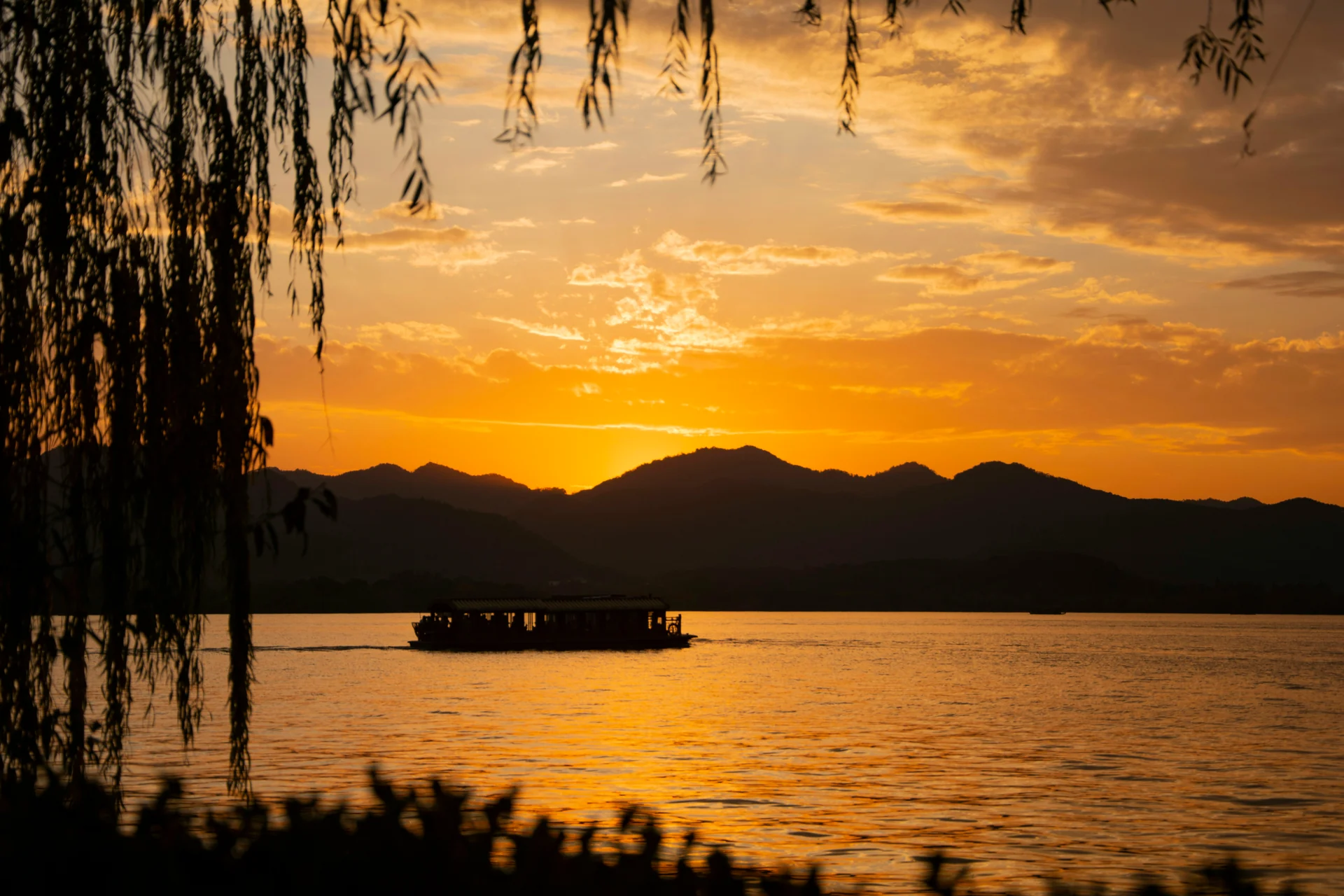
Choose one stretch of shore. Look from nearby leaves and water towards a bridge and the distant hills. You need not finish every viewpoint to find a memorable one.
A landscape in a cup
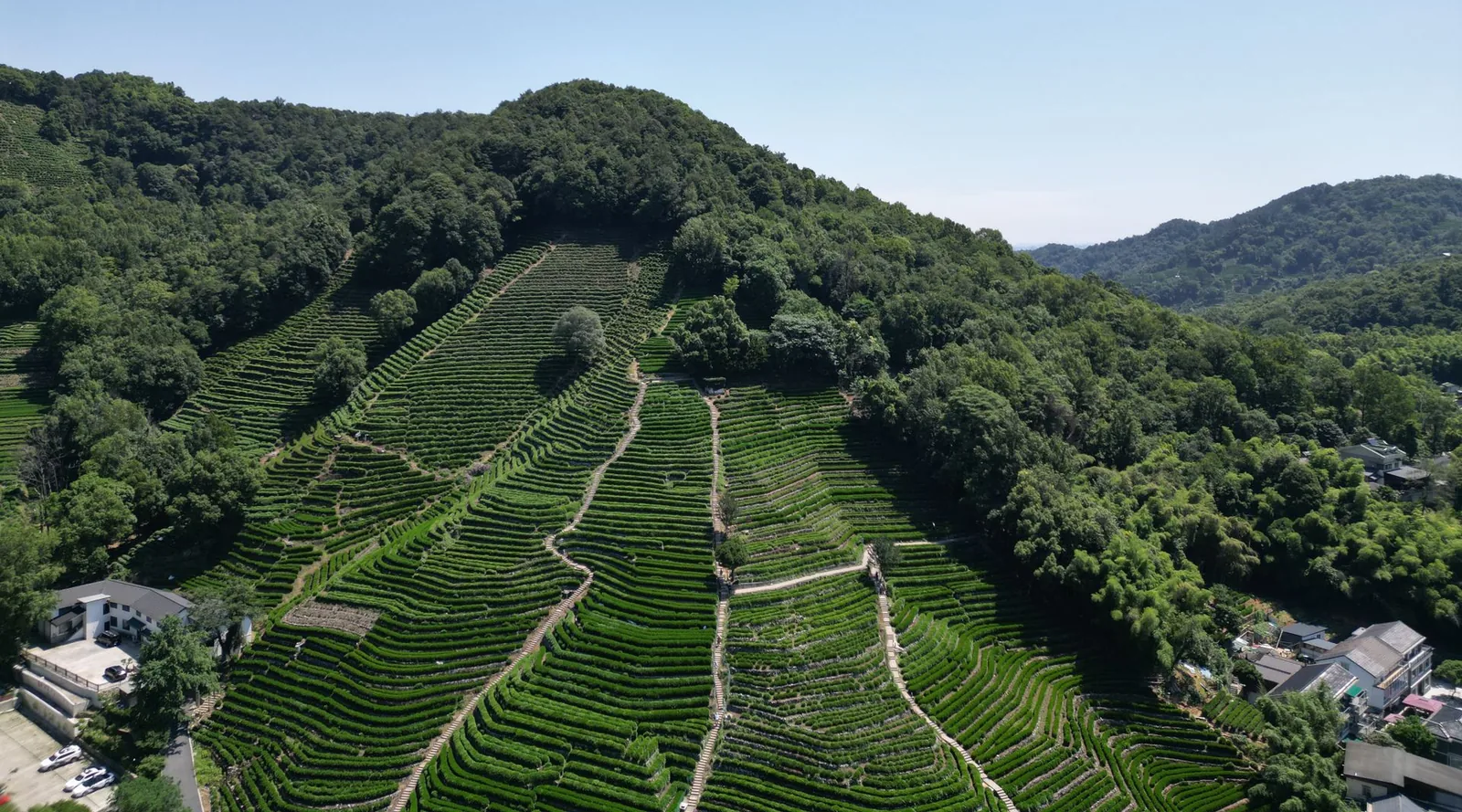
Longjing Village and the surrounding tea hills offer an introduction to Hangzhou’s tea culture. Ask how the leaves are processed and brewed, then notice the aroma and texture of the infusion.
A good tasting need not become a hurried shopping stop. Clarify any tasting charge in advance, take your time, and leave room simply to learn about the craft.
Notice the change in scale
Part of Hangzhou’s appeal is the shift from a wide lake view to a small patch of shade or a doorway. Leave some room for walking. Let the landscape become the experience, rather than a backdrop to it.
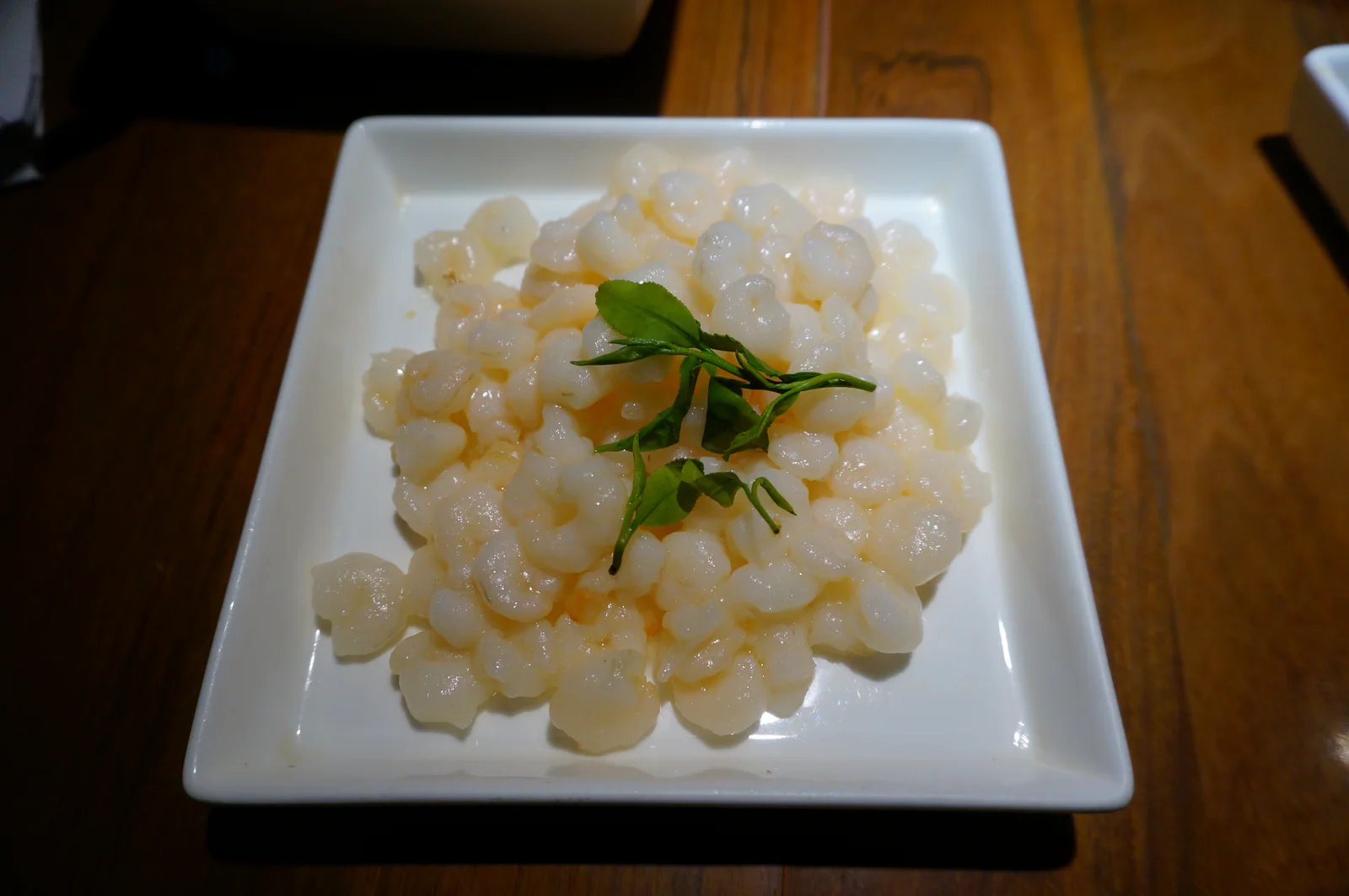
A local taste: Longjing shrimp and Dongpo pork
Tea-scented shrimp and slowly braised pork offer different textures and flavours. Stories associated with famous dishes are part of food culture; listen to them as stories, then turn your attention to ingredients and technique.
One small thing to notice
Find three layers from one lakeside position: tree shadows, water and the line of the hills. Take a few steps. What changes?
Sometimes a city stays with you as a lake. Sometimes as a cup of tea.
Sources and photography
UNESCO · West Lake Cultural Landscape of Hangzhou ↗
Hangzhou Municipal Government · Longjing Imperial Tea Garden ↗
Hangzhou Municipal Government · Local Cuisine ↗
余沈 胡 / Unsplash · Photo source · Unsplash License
猫猫的日记本 / Wikimedia Commons · CC BY-SA 4.0 · resized, WebP · Photo source · CC BY-SA 4.0